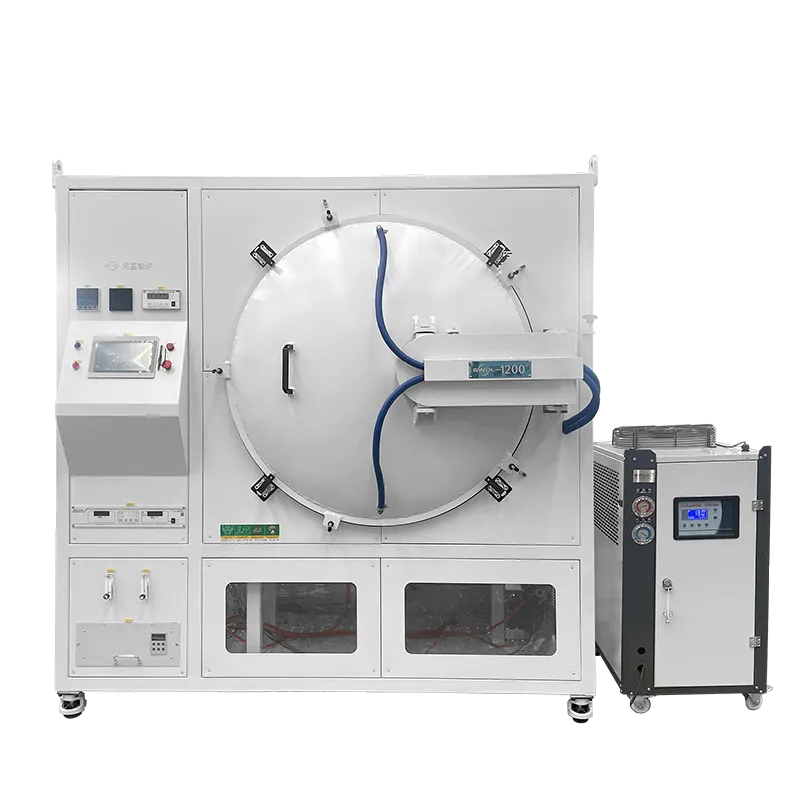
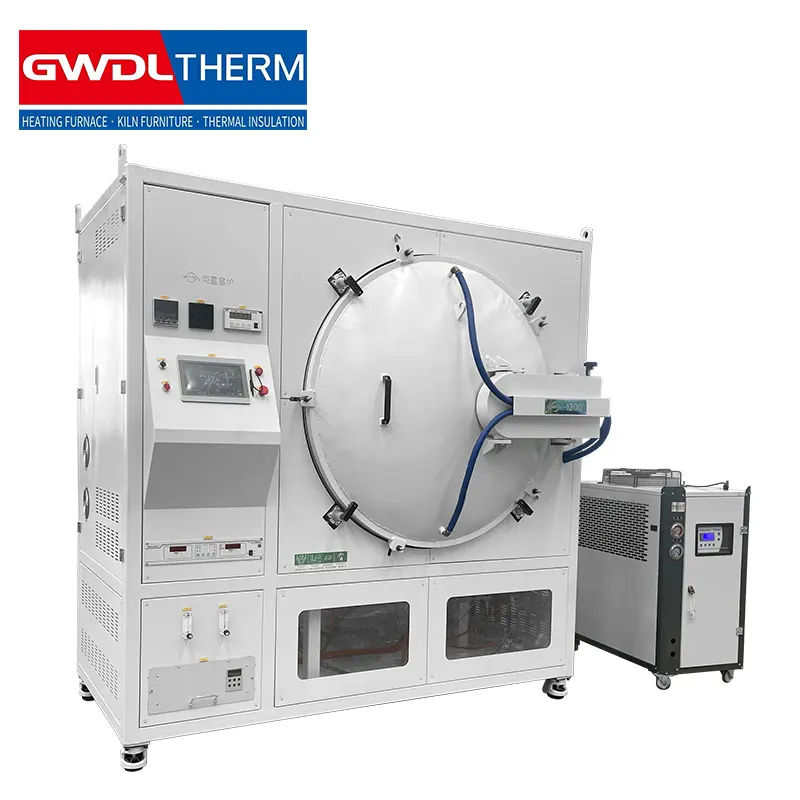
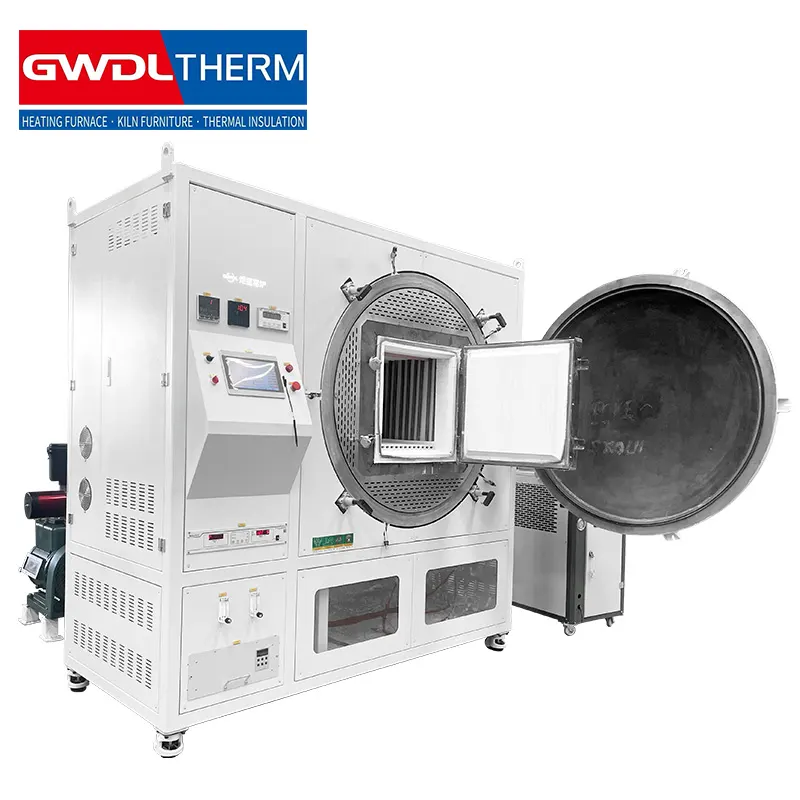
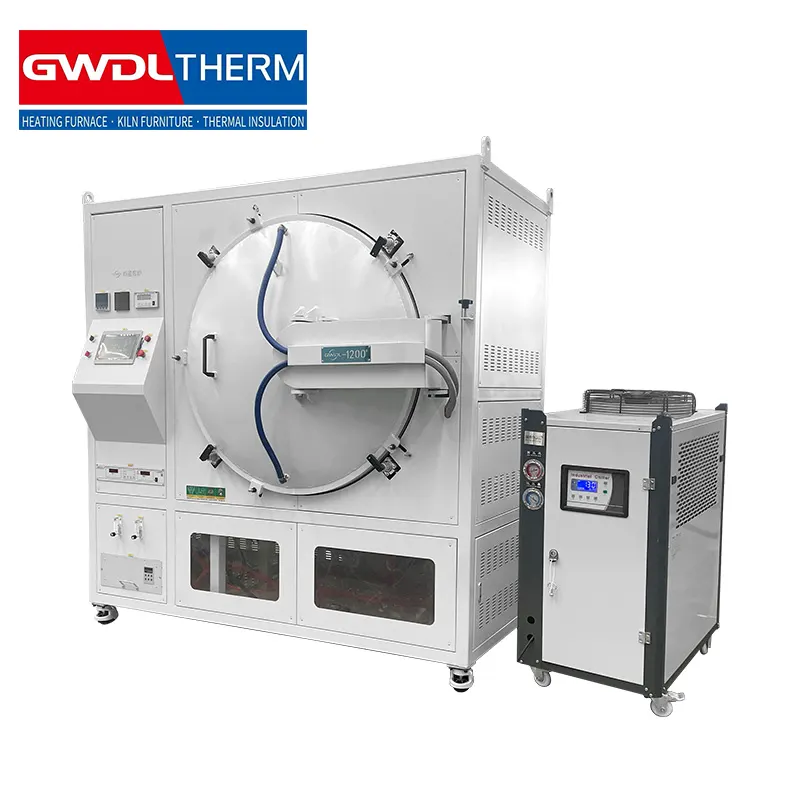
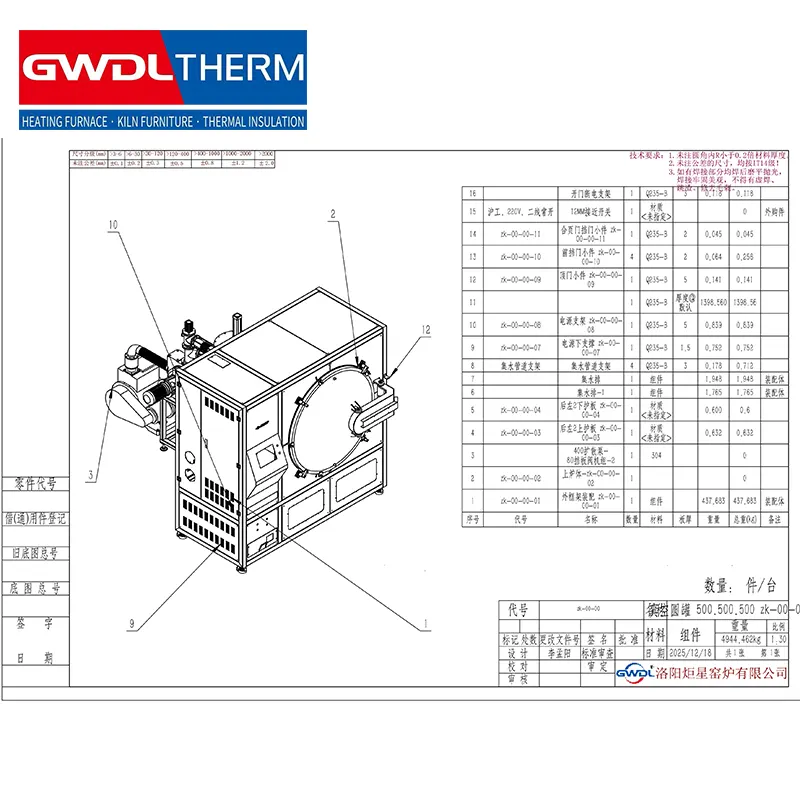
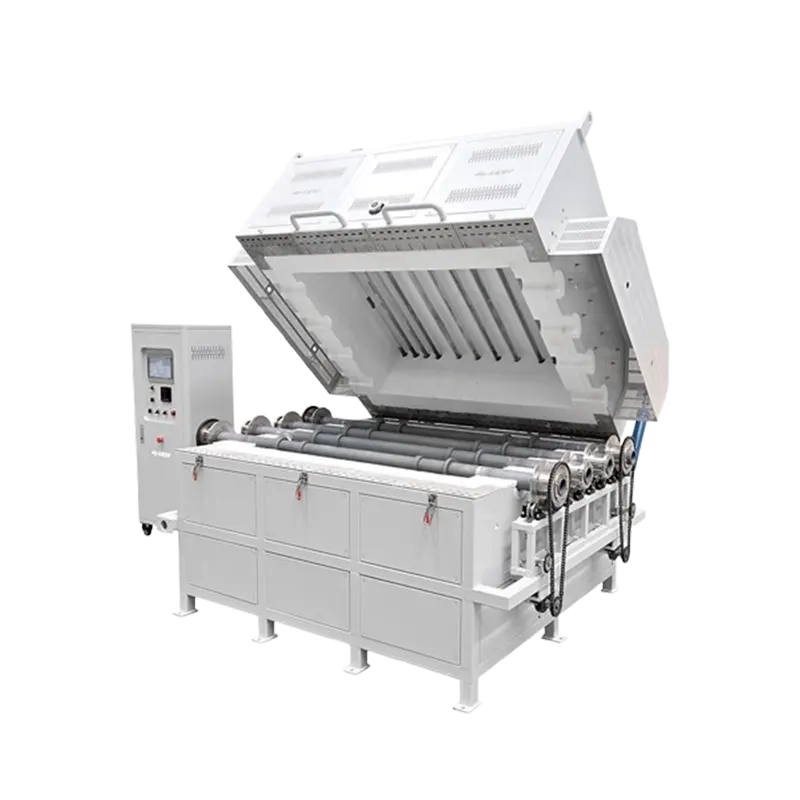
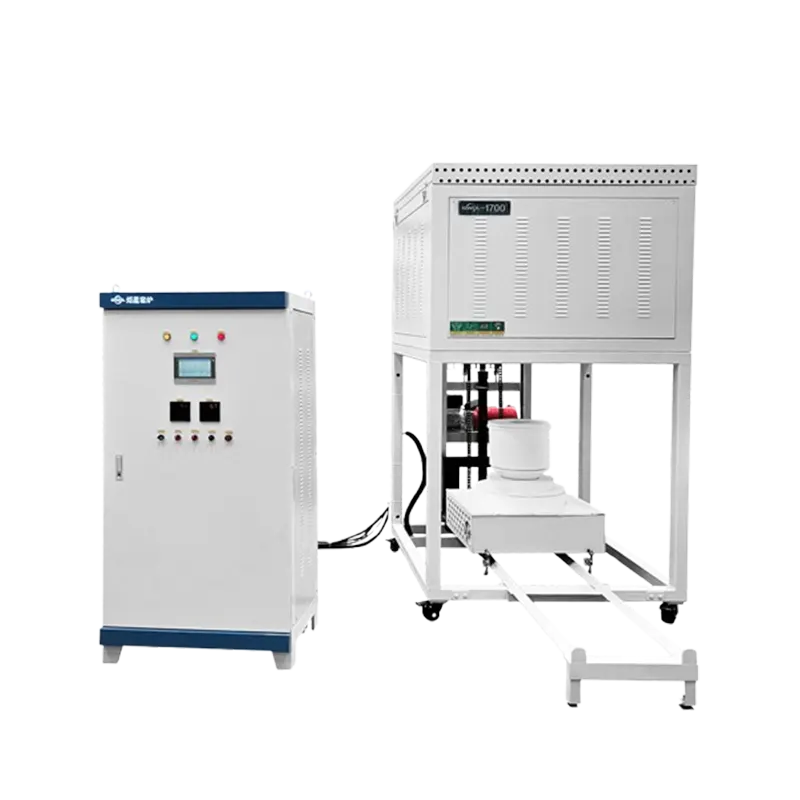
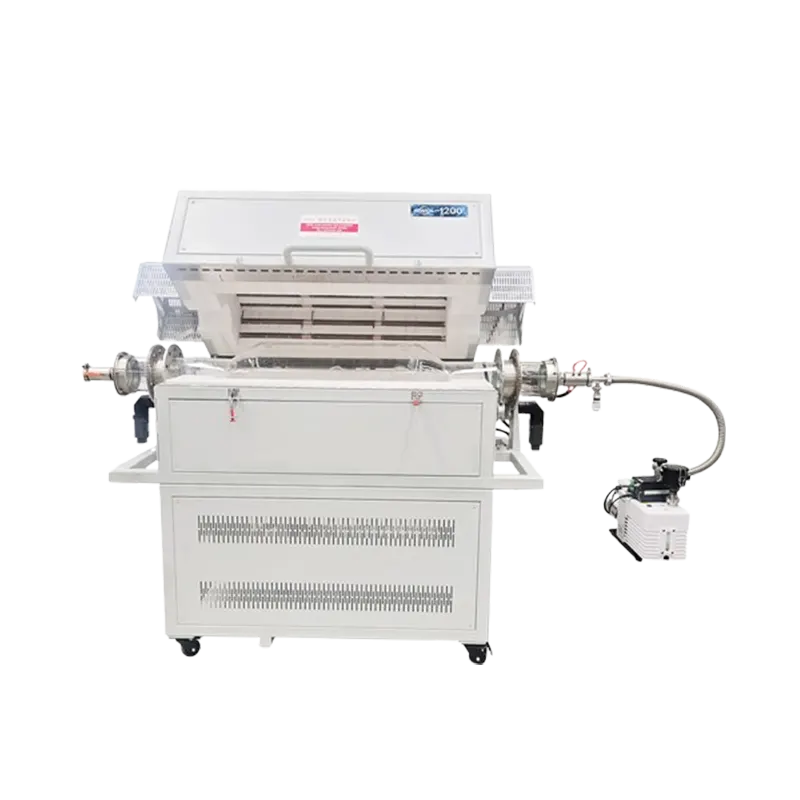
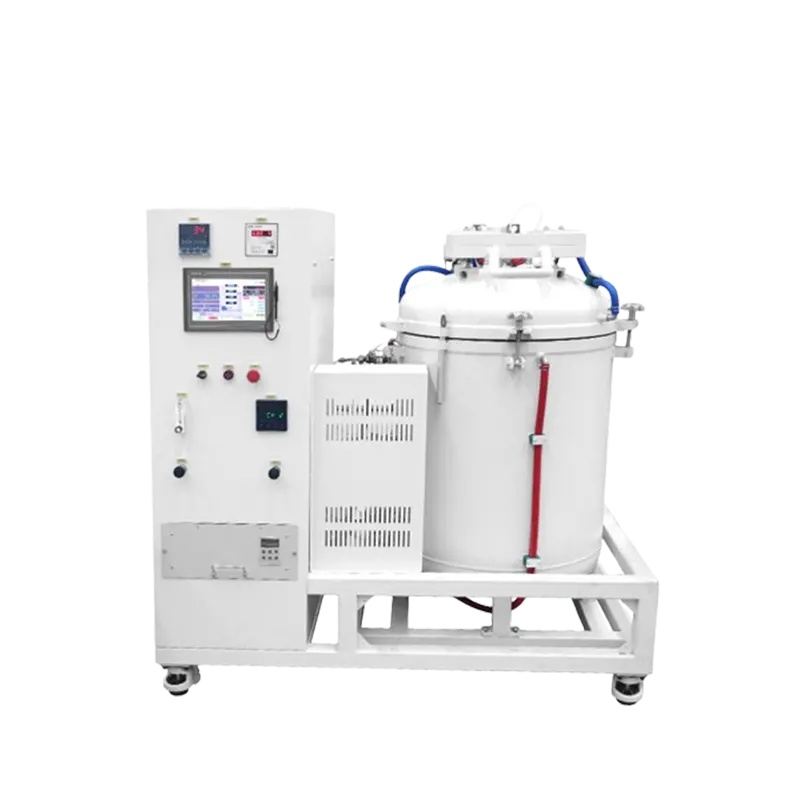
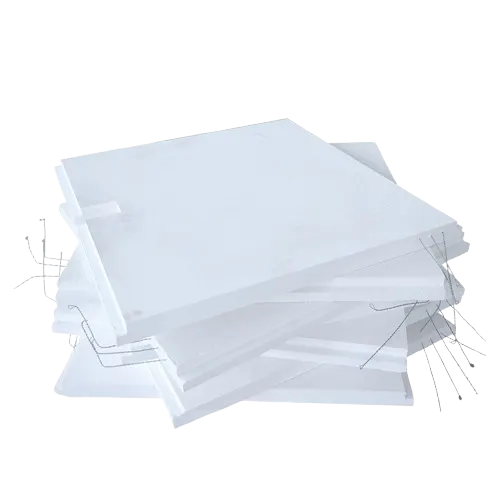
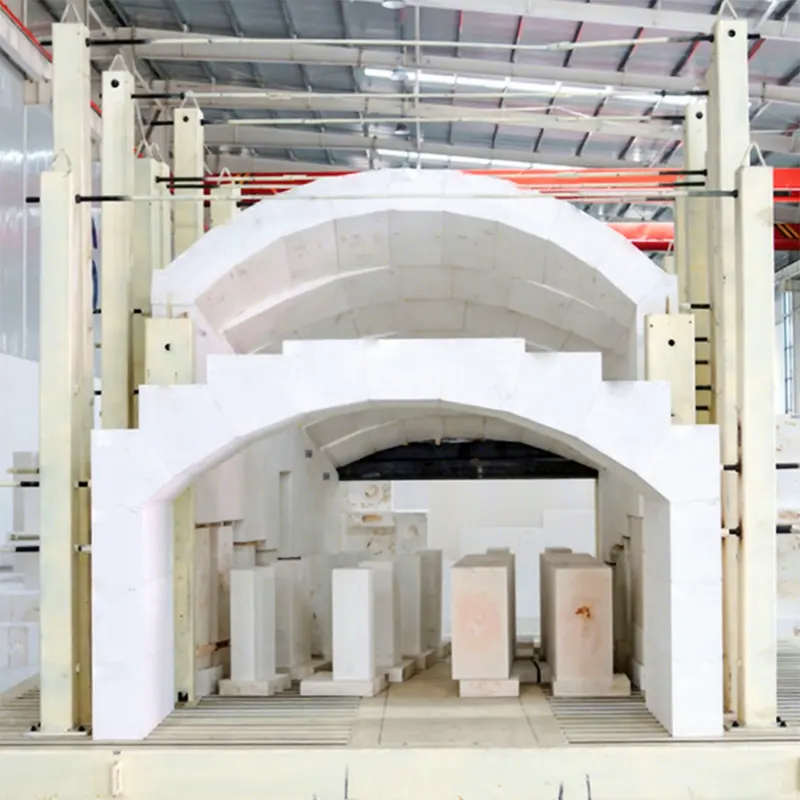
1200°C Vertical Vacuum Atmosphere Sintering Furnace delivers precise temperature control, stable vacuum environment, and uniform heating for high-performance sintering and advanced material processing.
Product Features
Water cooling system
The furnace is equipped with a comprehensive water-cooling and safety protection system designed to ensure stable and reliable operation under high-temperature working conditions. The system integrates a stainless-steel shut-off valve, inlet connection, drain tank, and an electrical contact pressure gauge, enabling precise monitoring and control of cooling water flow and pressure throughout the operation cycle.
A dedicated chiller is included as part of the cooling system, providing continuous and efficient temperature regulation for critical furnace components. This ensures that the equipment maintains safe operating conditions even during long-term or high-load thermal processes, significantly improving overall system stability and service life.
To enhance operational safety, the drain pipeline is fitted with an overpressure protection device. This mechanism automatically releases excess pressure when abnormal conditions occur, preventing potential damage to the cooling system and associated furnace components. It ensures that the cooling circuit remains within safe operating limits at all times.
In the event of a water supply interruption, the system is designed with an intelligent safety response function. An audible and visual alarm is immediately activated to notify operators of the abnormal condition. At the same time, an interlock protection system is triggered to prevent equipment damage, and the system automatically switches to an emergency cooling water supply mode. This rapid response mechanism ensures continuous cooling protection, minimizes operational risk, and maintains furnace safety even under unexpected failure conditions.
Overall, this integrated cooling and protection design significantly improves equipment reliability, operational safety, and fault tolerance, making it suitable for demanding high-temperature applications in laboratory research, material processing, and industrial production environments.
inflation system
The furnace is equipped with an advanced gas filling and vacuum atmosphere control system designed to ensure precise regulation of internal atmosphere conditions during high-temperature processing. The system integrates a gas filling shut-off valve, a gas collection manifold, a solenoid valve, and an electrical contact vacuum pressure gauge, forming a complete and reliable gas management architecture.
This configuration allows operators to accurately control the vacuum level inside the furnace chamber throughout the heating cycle. By adjusting the vacuum conditions in real time, the system ensures a stable and customizable atmosphere environment, which is essential for sensitive processes such as sintering, heat treatment, material synthesis, and laboratory research applications where oxidation prevention and gas purity are critical.
The pipeline is additionally equipped with a high-precision mass flow meter, enabling accurate measurement and manual control of gas flow rates. This ensures that process gases such as nitrogen, argon, or other protective or reactive gases can be introduced with precise volume control, improving consistency and repeatability of experimental and production results.
The combination of vacuum regulation and controlled gas introduction allows seamless switching between vacuum and atmosphere conditions, providing exceptional process flexibility. Operators can fine-tune gas pressure, flow rate, and composition according to specific material requirements, ensuring optimal thermal processing conditions.
Overall, this integrated gas filling and vacuum control system enhances operational accuracy, improves atmosphere stability, and ensures high reliability in complex thermal processing environments, making it ideal for advanced laboratory research, material development, and industrial high-temperature applications.
pneumatic system
The furnace is equipped with a complete pneumatic control system designed to ensure stable, efficient, and safe operation of all air-driven components. The system integrates pneumatic valves, solenoid valves, an oil-water separator, an oil mist lubricator, pressure gauges, and other essential pneumatic accessories, forming a fully functional and reliable air control network.
The pneumatic valves and solenoid valves enable precise control of airflow direction, switching, and pressure regulation during furnace operation. This ensures accurate actuation of key functions such as gas switching, exhaust control, and auxiliary mechanical movements, improving overall system responsiveness and automation performance.
To maintain clean and stable air quality, the system includes an oil-water separator that effectively removes moisture and impurities from the compressed air supply. This prevents contamination of pneumatic components and enhances long-term operational reliability. In addition, the oil mist lubricator ensures continuous lubrication of moving parts within the pneumatic system, reducing wear and extending service life.
Pressure gauges are integrated to provide real-time monitoring of air pressure levels, allowing operators to easily observe and adjust system conditions for optimal performance and safety. This transparent monitoring capability improves operational control and reduces the risk of pressure-related failures.
The system is designed for maximum user convenience. Operators only need to connect the pneumatic interface to a standard air source to begin operation, without requiring complex installation or additional configuration. This plug-and-play design significantly simplifies setup, reduces commissioning time, and improves usability.
Overall, the integrated pneumatic system enhances automation, operational stability, and maintenance efficiency, making the furnace suitable for demanding laboratory, research, and industrial applications requiring reliable and easy-to-use pneumatic control solutions.
Electrical control system
The electrical control system of the furnace is composed of three core functional units: a thyristor voltage regulator, an intelligent programmable temperature controller, and a PLC-based mechanical motion control system. This integrated architecture ensures high-precision temperature regulation, reliable automation, and flexible operational control for complex thermal processing applications.
The thyristor voltage regulator provides stable and efficient power control, enabling precise adjustment of output voltage, current, and power. Combined with the intelligent temperature controller, the system supports fully programmable heating profiles, allowing users to set multi-segment temperature curves tailored to different material processes. This ensures accurate thermal control, improved repeatability, and optimized process performance.
The PLC system manages mechanical actions and overall process coordination, enabling automated control of auxiliary functions and ensuring synchronized operation between heating, vacuum, and safety subsystems. This enhances system stability and reduces manual intervention during operation.
The system also supports temperature curve recording and vacuum degree data recording, allowing real-time monitoring and historical traceability of key process parameters. These functions are essential for quality control, process optimization, and research documentation.
In terms of safety, the control system is equipped with comprehensive alarm and interlock protection mechanisms, including safeguards against water pressure failure, over-temperature, and over-current conditions. These protections ensure safe operation and prevent equipment damage under abnormal working conditions.
Additionally, the system supports seamless switching between automatic and manual operation modes, providing flexibility for different experimental and production requirements. Overall, this integrated electrical control system delivers high precision, strong reliability, and intelligent automation for advanced high-temperature furnace applications.
Technical parameters
Specification
parameter
Furnace size
500×500×500 mm
vacuum degree
6.67×10⁻ 3 Pa
Pressure rise rate (cold state in an empty furnace)
≤0.66 Pa/h (calculated after 24 hours of pressure holding )
Evacuation rate ( 1×10⁻³Pa , under ambient temperature empty furnace, with main valve open)
hour)
≤120 min
Maximum design temperature
1200℃
Long-term operating temperature
1150℃
heating rate
≤10℃/min (non-linear)
Temperature uniformity
≤±5℃ ( Nine-point test under no-load at 1200℃ )
Temperature control accuracy
±1℃
Can open atmosphere
Nitrogen, argon, carbon monoxide, oxygen, hydrogen, etc.
Oxygen content analyzer
Real-time monitoring of residual oxygen content inside the furnace to ensure a low-oxygen environment.
Stability, thereby preventing material oxidation and performance degradation.
Application areas
Vacuum heat treatment, sintering, and atmosphere-controlled thermal processing for advanced materials and components.
Ceramic, semiconductor, and powder metallurgy research requiring precise temperature and programmable control systems.
University laboratories and industrial R&D centers for experimental thermal analysis and process development applications.
Why Choose Us
Integrated PLC and intelligent control system ensures precise, stable, and fully automated furnace operation.
Advanced safety protection including overtemperature, overcurrent, and interlock functions for reliable long-term use.
Customizable design and strong engineering support meet diverse laboratory and industrial high-temperature needs.
FAQ
Q1: What control systems are included in the furnace? A: It integrates a thyristor regulator, intelligent temperature controller, and PLC for full automation and precision control.
Q2: Does the furnace support programmable temperature curves? A: Yes, it supports multi-segment programmable curves with real-time modification and data recording functions.
Q3: What safety protections are available? A: It includes protection against overtemperature, overcurrent, water pressure failure, and system interlock alarms.
Q4: Can the system switch between automatic and manual modes? A: Yes, it allows seamless switching between automatic and manual operation for flexible process control.
Q5: What data can be recorded during operation? A: The system records temperature curves, vacuum levels, and alarm logs for process tracking and quality control.