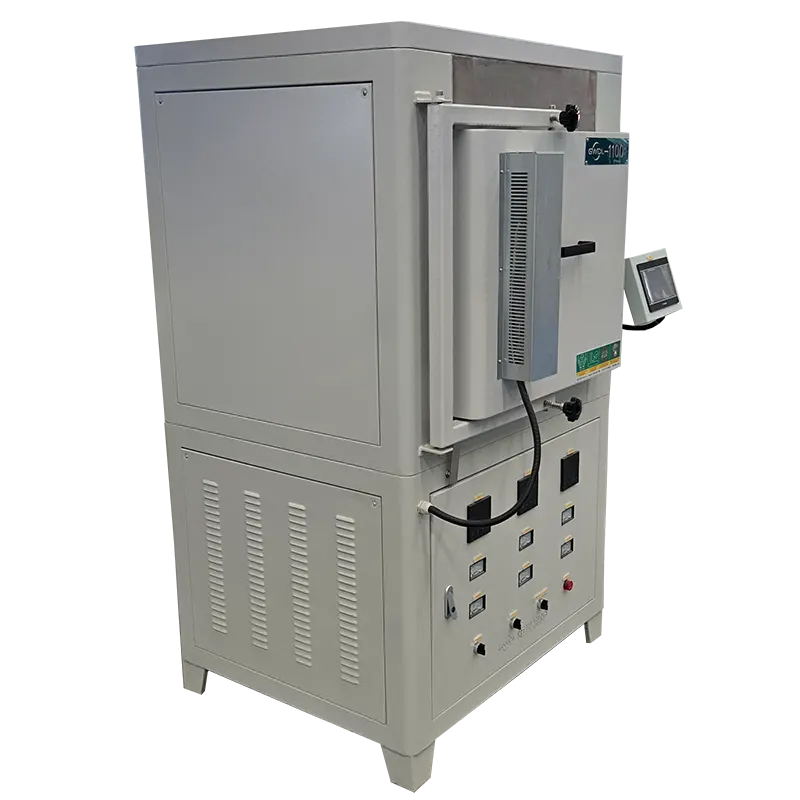
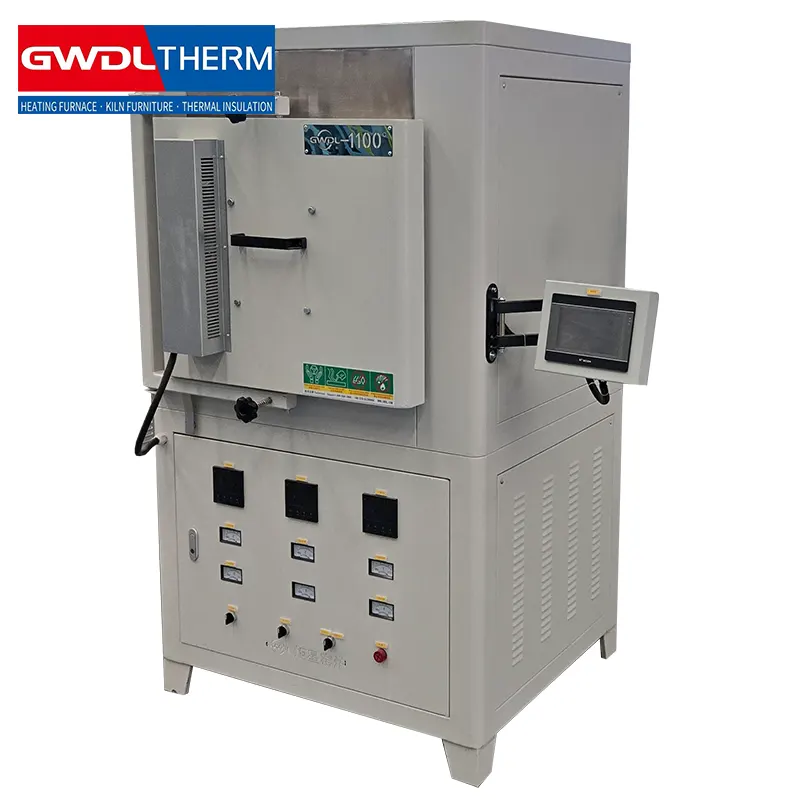
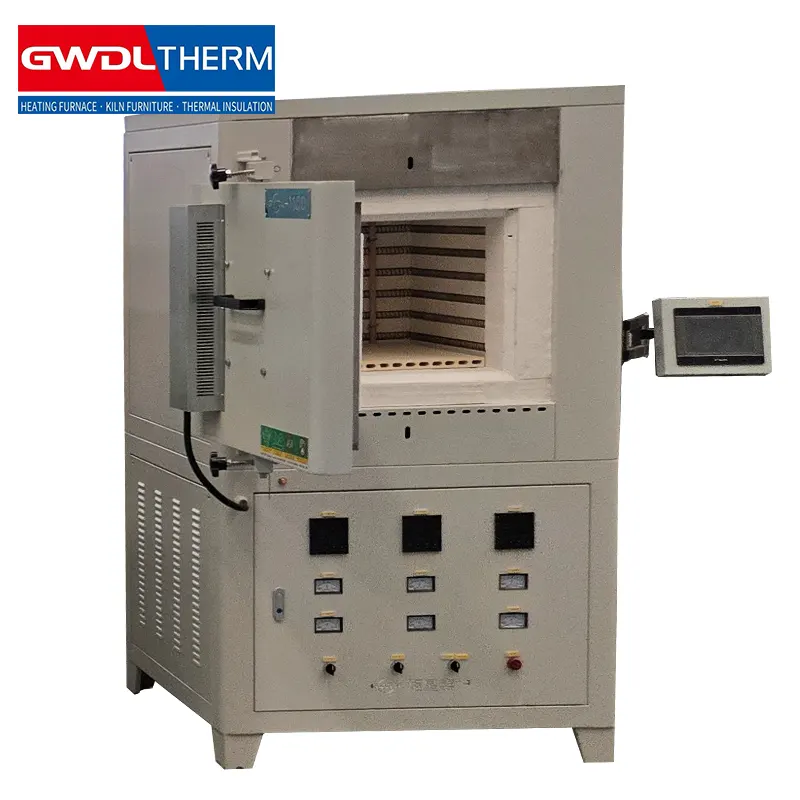
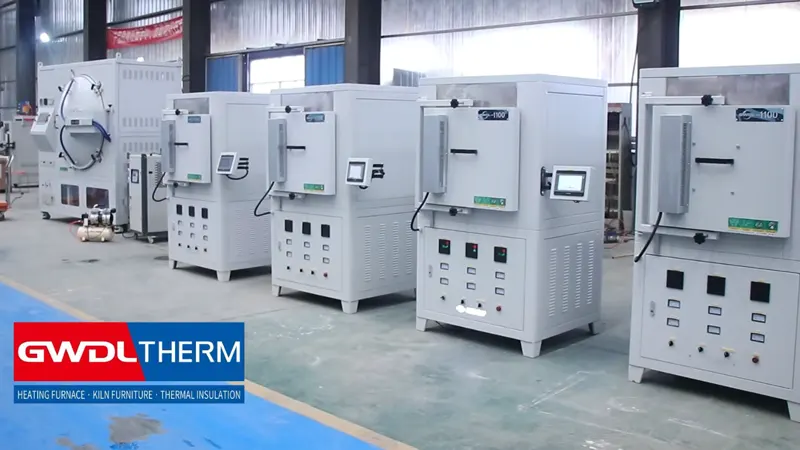
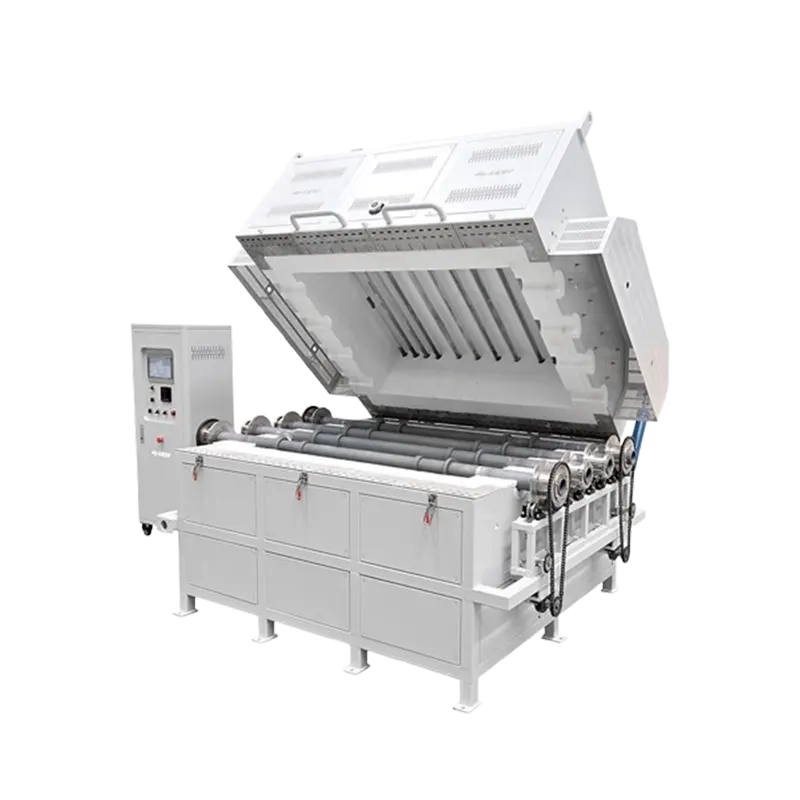
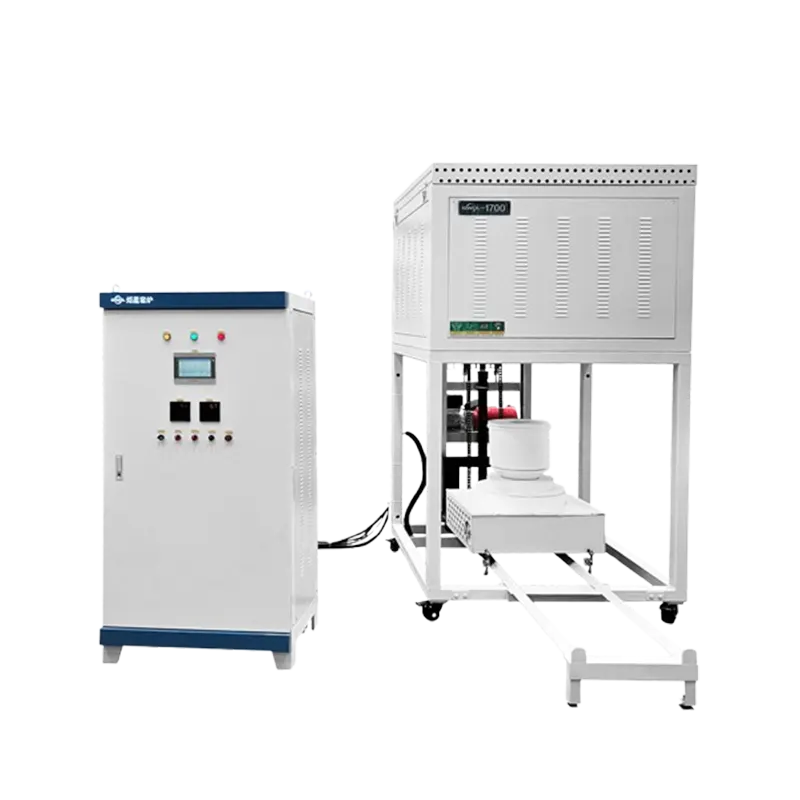
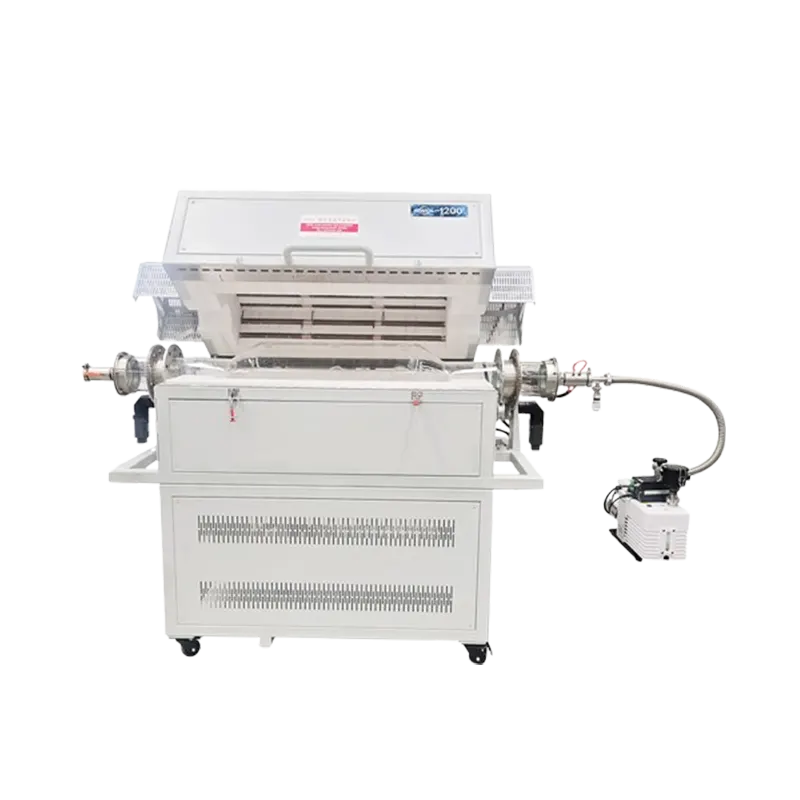
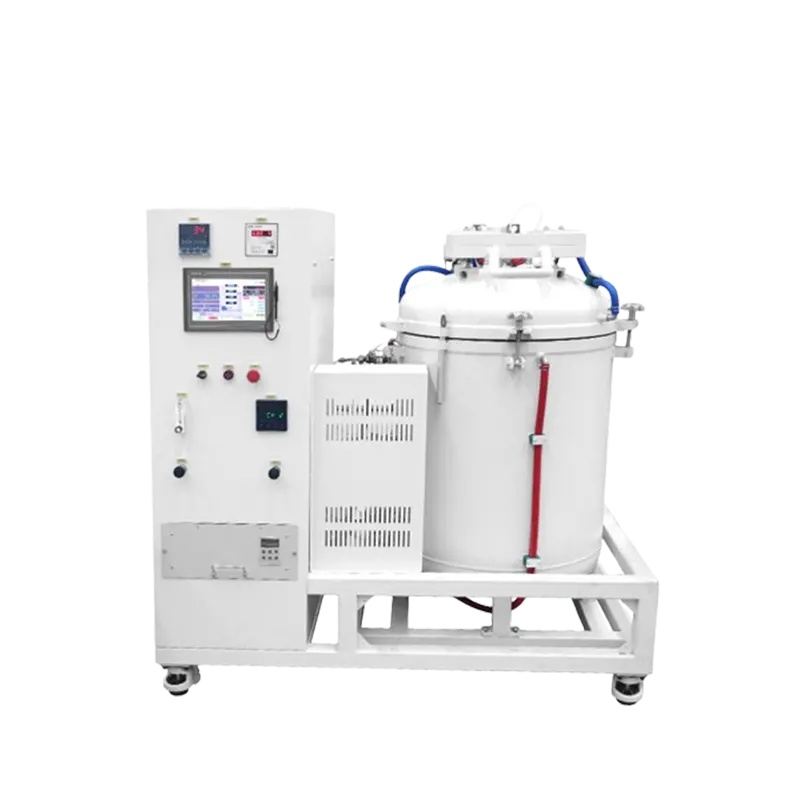
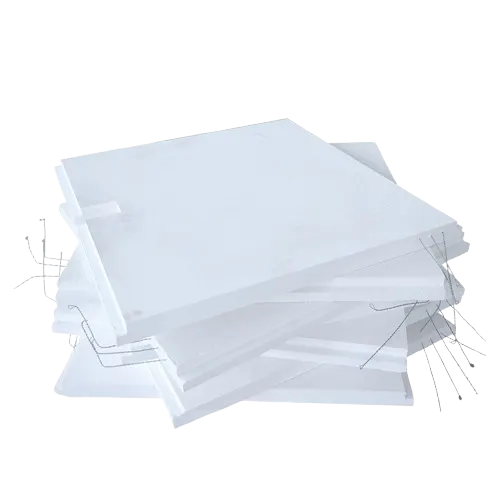
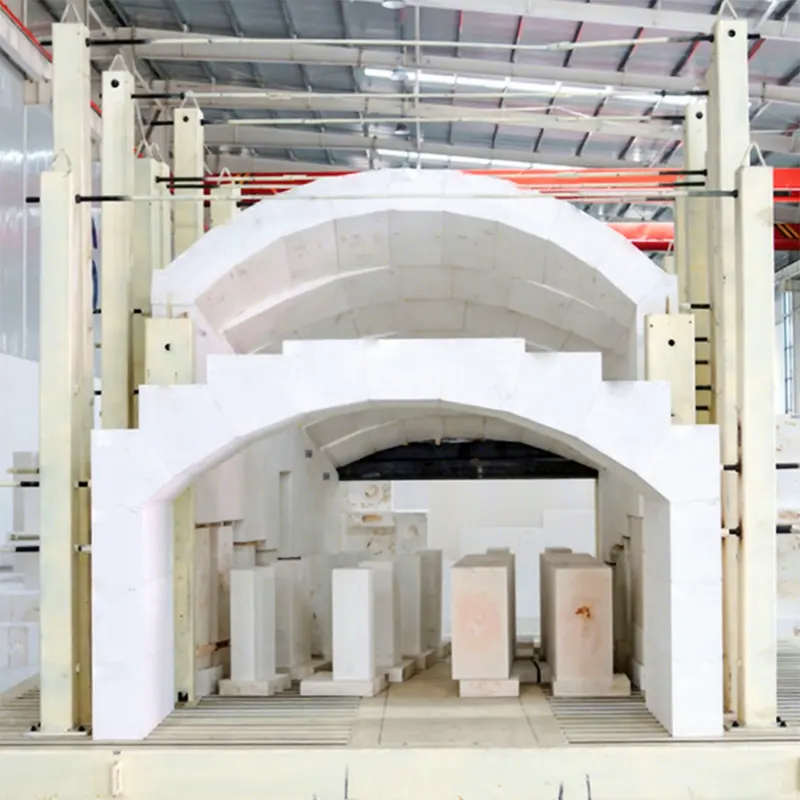
1100°C Five-Sided Heating Box-Type Electric Furnace for Uniform Heating
The 1100°C five-sided heating box-type electric furnace provides uniform temperature distribution with multi-side heating, ideal for laboratory and industrial heat treatment.
The 1100°C five-sided heating box furnace delivers exceptional temperature uniformity, rapid heating, and precise thermal control for laboratory research, material testing, heat treatment, and industrial processing.
Product Features
Furnace temperature uniformity
The 1100°C Five-Sided Heating Box-Type Electric Furnace is engineered to deliver outstanding temperature uniformity for precision laboratory and industrial heat treatment applications. The furnace achieves a temperature uniformity of ±5°C under no-load conditions, ensuring highly consistent thermal distribution throughout the heating chamber. This level of performance complies with the requirements of HB5425-2012, making it suitable for applications where accurate and repeatable temperature control is essential.
Temperature uniformity is verified across a calibration range of 300°C to 1000°C, with measurements performed at five representative temperature points: 300°C, 450°C, 650°C, 850°C, and 1000°C. A five-point testing method is used to evaluate the heating chamber, ensuring reliable and objective performance verification before delivery.
To guarantee measurement accuracy and product reliability, every furnace can be supplied with a third-party calibration report issued by a qualified and accredited testing organization. Upon customer request, the third-party agency can also perform on-site calibration after installation, ensuring that the furnace meets operational requirements under actual working conditions.
In addition, calibration certificates for the temperature controller, measuring instruments, and thermocouples are provided to ensure complete traceability and compliance with quality management systems. This comprehensive calibration process gives laboratories, research institutions, aerospace manufacturers, and industrial users confidence in the furnace's precision, repeatability, and long-term performance for demanding thermal processing applications.
Exhaust port
The furnace features a top-mounted manually operated exhaust vent designed to efficiently remove smoke, dust, moisture, and reaction-generated off-gases during high-temperature processing. This practical ventilation system helps maintain a cleaner furnace environment while improving operational safety, temperature stability, and overall process reliability.
The adjustable exhaust vent allows operators to manually regulate the release of gases according to different heating processes, making it suitable for applications such as heat treatment, calcination, sintering, ash testing, ceramic firing, and material research. By promptly discharging volatile by-products and reaction gases, the system helps prevent gas accumulation inside the furnace chamber, ensuring a more stable processing atmosphere and consistent heating performance.
Effective exhaust management also reduces contamination within the furnace, protecting heating elements, insulation materials, and other critical components from corrosive gases and excessive deposits. This contributes to longer service life, lower maintenance requirements, and improved long-term equipment reliability.
The simple mechanical structure offers dependable operation without requiring complex control systems, allowing users to easily adjust airflow during operation based on actual processing conditions. This design provides greater flexibility for laboratories and industrial production environments where different materials generate varying amounts of exhaust gases.
Overall, the manually operated exhaust vent enhances furnace safety, improves thermal process quality, maintains a cleaner working environment, and supports stable high-temperature performance, making it an essential feature for demanding laboratory research and industrial heat treatment applications.
control
The furnace is equipped with an advanced closed-loop thyristor power control system that utilizes phase-angle or zero-crossing triggering technology to deliver continuously adjustable voltage, current, and power output. Supporting constant-voltage, constant-current, and constant-power operating modes, the system provides precise energy regulation for a wide range of laboratory and industrial high-temperature applications.
Its intelligent dual-loop control architecture combines an inner current loop with an outer voltage loop, ensuring fast response and exceptional control stability. When sudden load changes occur or the operating current exceeds the preset limit, the controller automatically restricts the output current to the rated operating range. This protects both the power regulator and the heating system while maintaining uninterrupted furnace operation.
The voltage loop continuously coordinates with the current loop to optimize output performance. As long as sufficient regulation margin is available, the system maintains stable voltage and current simultaneously, minimizing electrical fluctuations and ensuring consistent heating throughout the entire thermal process. This precise coordination significantly improves temperature stability and process repeatability.
To maximize equipment reliability, the closed-loop control system effectively suppresses excessive current and voltage surges that could damage heating elements or electrical components. By reducing electrical stress during startup, load variation, and continuous operation, it extends heating element service life while lowering maintenance requirements.
This high-precision power regulation technology delivers excellent safety, energy efficiency, and process consistency, making it an ideal solution for precision sintering, heat treatment, material testing, ceramic firing, powder metallurgy, and advanced laboratory research requiring stable and repeatable thermal control.
Technical Specifications
Technical parameters
highest temperature
1100℃
Long-term operating temperature
1000℃
Temperature control range
RT-1100℃
Temperature control point
This furnace adopts a three-point temperature control system: the first measuring point is located at the furnace door, the second measuring point is located at the furnace bottom, and the third measuring point is distributed on both sides and the rear wall of the furnace body to ensure that the temperature inside the furnace is uniform and controllable.
Temperature control accuracy
±1℃
Furnace temperature uniformity
≤±5℃
Furnace dimensions (mm)
≥300mm×300mm×400mm
Temperature sensing element
K-type thermocouple
Heating element material
High-temperature alloy resistance wire
Temperature Profile Setting
The furnace is equipped with an advanced intelligent temperature control system designed to deliver high-precision and highly stable thermal regulation for demanding laboratory and industrial applications. It integrates multiple control modes, including standard PID, AI-based APID, and MPT algorithms, allowing the system to adapt flexibly to different materials, heating processes, and operational conditions.
The controller features auto-tuning and self-learning capabilities, enabling it to automatically optimize control parameters based on real-time thermal response. This significantly reduces manual adjustment requirements while improving long-term stability and process repeatability. The system is engineered to provide excellent control performance with no overshoot or undershoot, ensuring safe and accurate temperature management throughout the entire heating cycle.
A 30-segment programmable control function allows users to design complex thermal profiles, including multi-stage heating, holding, and cooling processes. Temperature ramping can be freely adjusted with arbitrary heating and cooling slopes, providing maximum flexibility for advanced material processing and experimental requirements.
The system also supports multiple programmable operational commands such as jump (loop), run, pause, and stop. Programs can be modified dynamically during operation without interrupting the process, greatly improving operational efficiency and experimental convenience.
In addition, an AI-based curve-fitting algorithm ensures smooth and continuous temperature transitions, eliminating fluctuations and enhancing thermal uniformity. This results in highly stable and seamless control curves, making the system ideal for precision sintering, heat treatment, material research, and other high-temperature applications requiring accurate and programmable thermal control.
List of Major Component Specifications
Serial Number
project
name
Classification
factory
Remark
1200 degrees
1400 degrees
1600 degrees
1700 degrees
1800 degrees
1900 degrees
1
shell
Double-layer shell
●
●
●
●
●
●
Juxing Kiln
2
heating element
electric heater
High-temperature alloy resistance wire
silicon carbide rods
silicon molybdenum rod
1800 type silicon molybdenum rod
1850 type silicon molybdenum rod
1900 type silicon molybdenum rod
Juxing Kiln
3
Electrical control section
Temperature controller
858P
858P
858P
858P
858P
858P
●
4
thermocouple
K
S
B
B
B
B+ fiber
●
5
Voltmeter
●
●
●
●
●
●
●
6
ammeter
●
●
●
●
●
●
●
7
SCR power regulator
●
●
●
●
●
●
Juxing Kiln
8
contactor
●
●
●
●
●
●
●
9
circuit breaker
●
●
●
●
●
●
●
10
Button
●
●
●
●
●
●
●
11
buzzer
●
●
●
●
●
●
●
12
Fast melting
●
●
●
●
●
●
Mingrong
13
transformer
○
○
●
●
●
●
Juxing Kiln
14
Refractory and heat-insulating furnace
Ceramic fiberboard/module
1260
1500
1700
1800
1850
Zirconia fiber 2100
Juxing Kiln
15
Insulating bricks at the furnace opening (inner door)
○
●
●
●
●
●
Juxing Kiln
16
Sintering plate
Quartz ceramics
Quartz ceramics
Corundum Mullite
Corundum Mullite
Corundum Mullite
Zirconia fiber 2100
Juxing Kiln
Application areas
Widely used in laboratory material research, thermal analysis, and high-temperature experimental process development applications.
Applied in ceramics, powder metallurgy, and advanced materials requiring precise multi-segment programmable heat treatment cycles.
Suitable for industrial production and university research involving sintering, calcination, and controlled atmosphere thermal processing.
Why Choose Us
Intelligent AI control ensures stable and precise heating.
Self-learning system improves accuracy and repeatability.
FAQ
Q1: What temperature control modes does the furnace support? A: It supports PID, AI-based APID, and MPT modes for precise and flexible temperature regulation.
Q2: Does the system support automatic tuning? A: Yes, it features auto-tuning and self-learning functions to optimize control accuracy automatically.
Q3: How many program segments can be set? A: The system supports 30-segment programming with flexible heating and cooling curve settings.
Q4: Can the program be modified during operation? A: Yes, parameters can be adjusted in real time without stopping the furnace operation.
Q5: What ensures stable temperature performance? A: AI curve-fitting control ensures smooth curves with no overshoot or undershoot for stable heating.