- +86-13271526781
- therm@gwdl.com
For the core accessories of the resistance furnace, the key keywords are "heating elements" and "temperature control systems". Heating is achieved through heating wires and other components, while heat preservation is realized by ceramic fibers and the like. Temperature controllers combined with thermocouples ensure temperature accuracy, and furnace door sealing devices are also equipped. Atmosphere/vacuum systems can be optionally added to support the equipment in meeting the requirements of heat treatment processes.
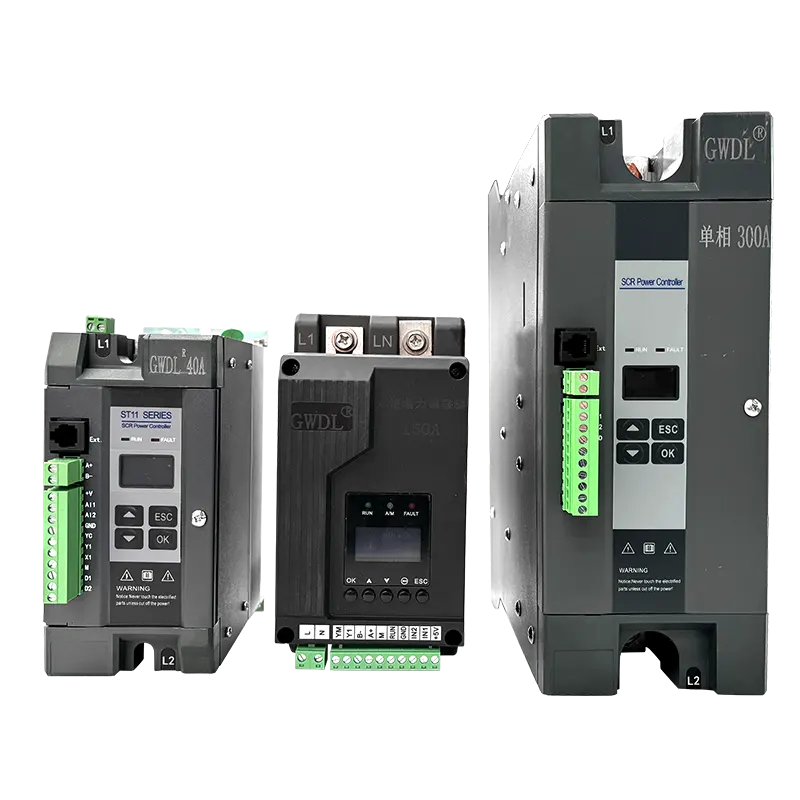
The core components of a resistance furnace include heating elements (such as metal alloy heating wires, silicon carbide rods, or silicon molybdenum rods), refractory insulation materials (ceramic fiber modules or refractory bricks), temperature control systems (temperature controllers, thermocouples, and solid-state relays), furnace door lifting and sealing devices, as well as optional atmosphere control systems (flowmeters, valves) or vacuum systems (vacuum pumps, vacuum gauges) based on requirements. These components collectively ensure the heating efficiency, temperature accuracy, sealing performance, and process adaptability of the resistance furnace, and serve as the foundation for the stable operation of the equipment and meeting the requirements of heat treatment processes.
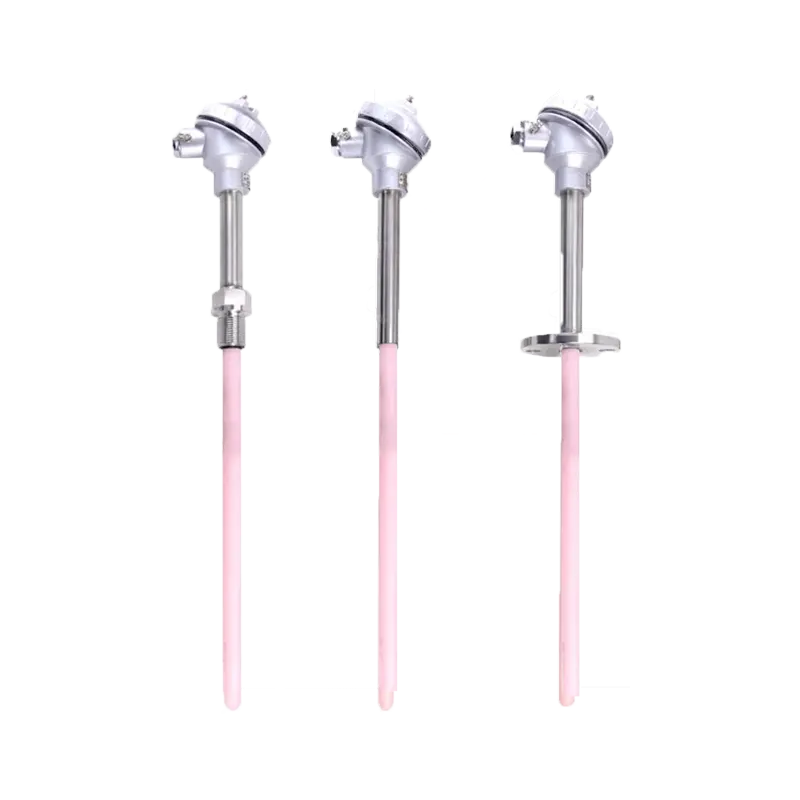
Thermocouple: A contact-type temperature sensor that can directly convert temperature differences into voltage signals. It is suitable for industrial temperature measurement in the range of -200℃~2300℃ and serves as a core temperature measurement element.
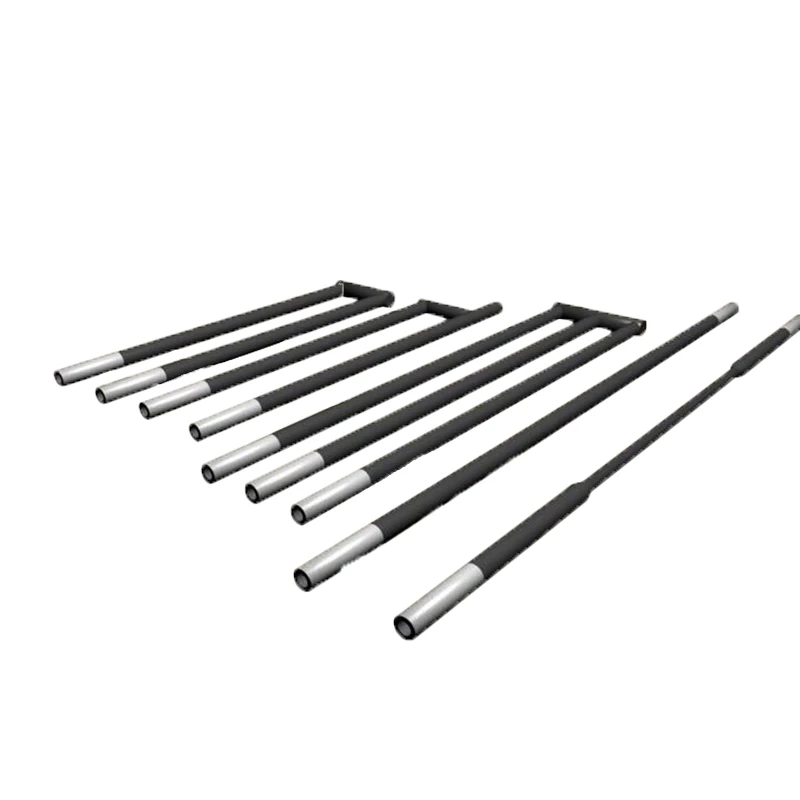
Electrothermal elements such as molybdenum disilicide rods, silicon carbide rods, and molybdenum wires are core heating components of various high-temperature equipment like high-temperature electric furnaces, vacuum atmosphere furnaces, and experimental furnaces. They efficiently convert electrical energy into heat energy and are suitable for multiple high-temperature scenarios.
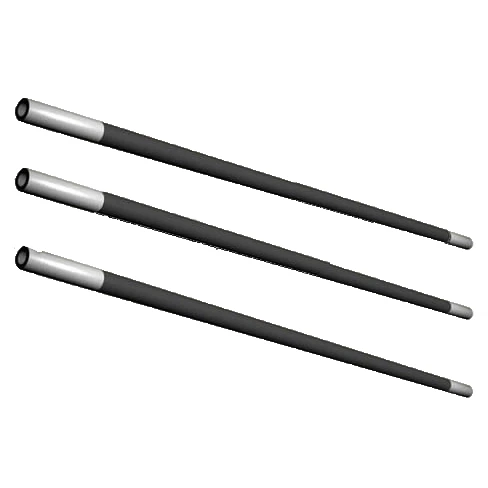
Ultra-high temperature heating element specially designed for extreme oxidizing atmospheres, with long-term working temperature up to 1700°C~1800°C. It is a core component of industrial high-temperature furnaces, crystal growth furnaces and scientific research equipment.
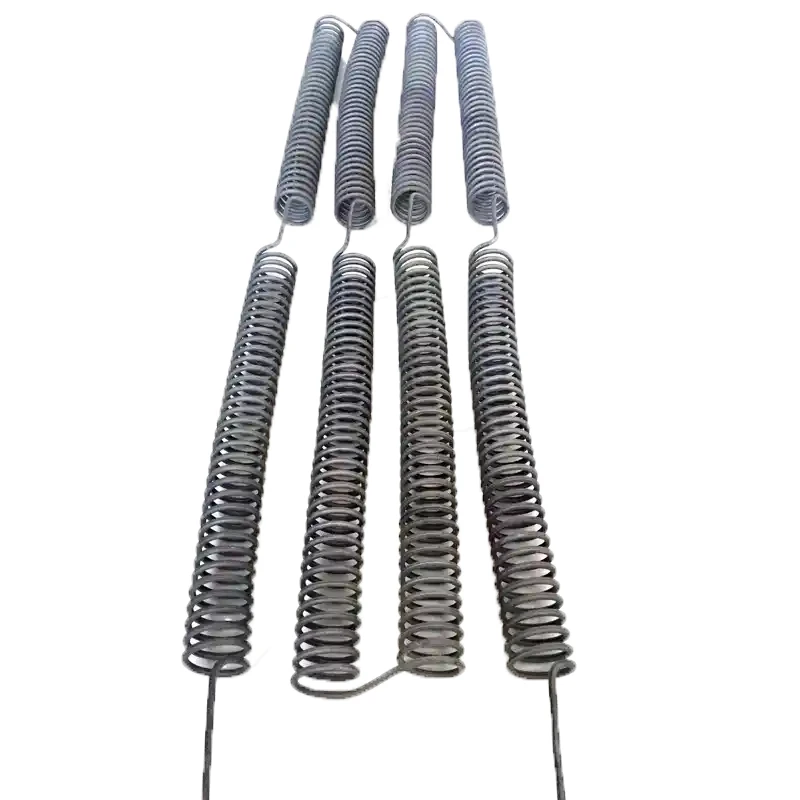
High-temperature alloy resistance wire: Suitable for extreme environments of ≥1000°C, it can stably generate heat in harsh atmospheres such as oxidation and carburization. It is a core heating element in industrial electric furnaces, laboratory equipment, and aerospace thermal systems.
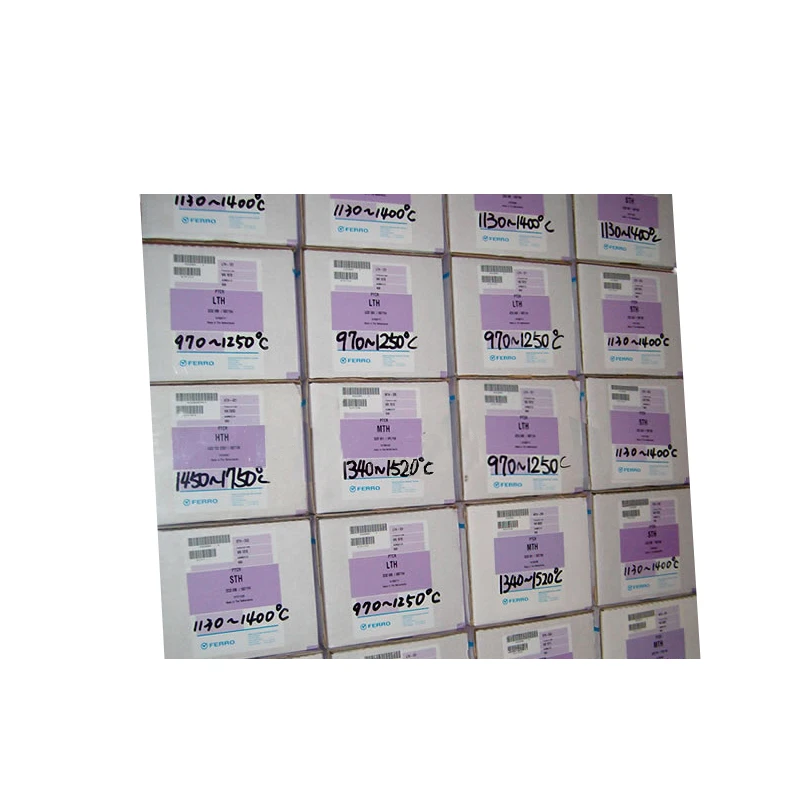
PTCR temperature-measuring rings: Specialized for ceramic firing, they record the real heat exposure of products (radiation + conduction), are compatible with various kilns and atmospheres, and accurately monitor firing temperatures.
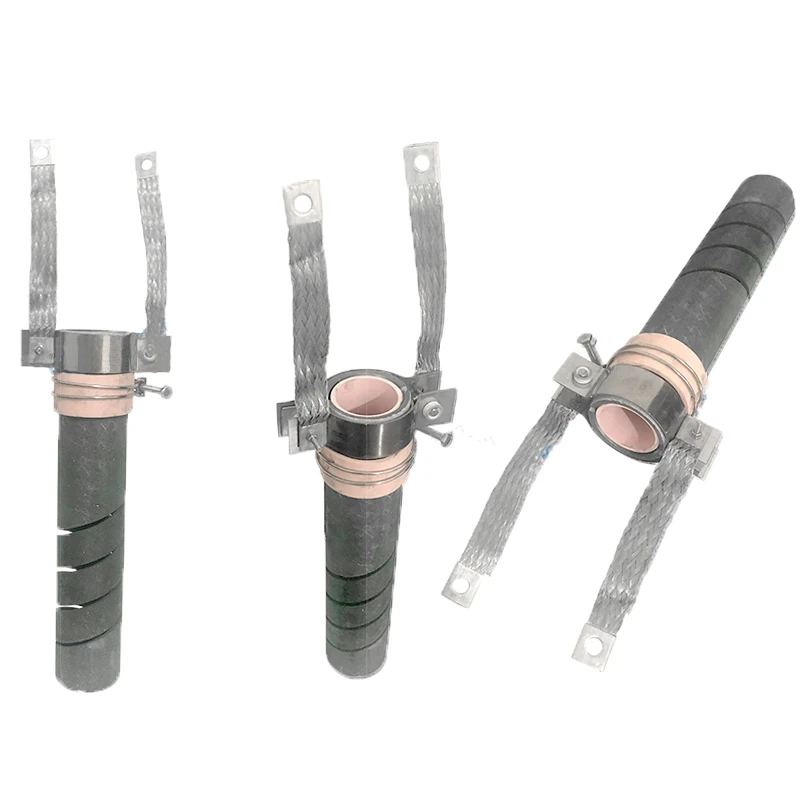
Spiral heating rod (coiled wire / resistance heating rod): High-resistance alloy wire is spirally wound around an insulating core rod and encapsulated in a metal sheath. It features high power density, uniform heating, and excellent mechanical strength, making it suitable for industrial heating equipment and laboratory devices.